
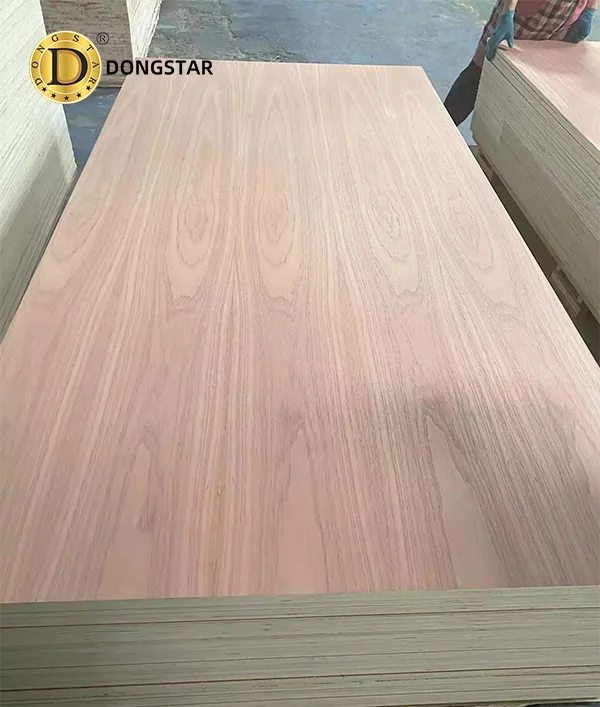
Black Film Faced Plywood is a high-density, resin-impregnated panel engineered to withstand hydrostatic pressures exceeding 50 kN/m² in structural concrete applications. By integrating a 120g/m² phenolic film on both faces, these panels achieve a moisture absorption rate of less than 8% over 48 hours of immersion. This performance level facilitates 25 to 30 reuse cycles, significantly lowering the overhead cost per square meter compared to traditional timber formwork. Global testing standards indicate that the specific gravity of the WBP-glued core ensures dimensional stability across temperature variances ranging from -10°C to 50°C.
Professional concrete contractors utilize Black Film Faced Plywood to eliminate the need for secondary surface finishing on cast-in-place vertical members. The chemical resistance of the phenolic coating prevents alkaline hydrolysis of the substrate, which maintains the integrity of the board surface for over 20 pours in typical residential high-rise projects.
Independent laboratory assessments conducted in 2024 revealed that using panels with a minimum density of 650kg/m³ reduces the deflection of formwork by 15% under full-load conditions compared to standard birch plywood.
The mechanical properties of these panels rely heavily on the cross-laminated structure of the veneers, which are typically bonded with high-grade Melamine or WBP phenolic glue to prevent delamination. During intensive building cycles, this internal construction allows contractors to maintain a tolerance of ±2mm over a 3-meter span. By utilizing these engineered components, projects involving complex structural geometry report a 12% reduction in labor time dedicated to formwork installation and removal.
| Performance Metric | Standard Specification | Observed Site Efficiency |
| Density | 650 - 720 kg/m³ | High structural rigidity |
| Adhesive Type | WBP Phenolic | Boiling test > 72 hours |
| Film Weight | 120g/m² - 240g/m² | Reduced suction/bonding |
| Reuse Cycles | 20+ cycles | Lower material turnover |
Surface preparation represents a major operational expense, but the smooth, non-porous finish provided by high-quality panels ensures minimal concrete adhesion. On sites where consistent pouring schedules are maintained, such as large-scale commercial developments, crews report that the speed of the stripping process increases by 20% compared to using raw lumber or steel plate systems. These panels also resist the abrasive nature of high-performance concrete mixes, which often contain aggregate sizes up to 25mm that would otherwise erode weaker formwork surfaces.
Data from 2025 construction analytics confirms that sites utilizing high-density panels experience a 30% decrease in material waste over the total duration of the structural phase of the build.
The interaction between the board surface and the concrete chemical composition is managed by the high-grade phenolic film, which prevents moisture from reaching the wood grain. This barrier stops the swelling that causes dimensional errors in structural foundations and vertical columns. As the concrete cures, the hydration process releases heat, but the thermal stability of the resin keeps the panel rigid, allowing the final cast to meet strict international architectural standards for surface smoothness and porosity.
Ongoing maintenance of the panels involves cleaning the edges with specialized sealants to prevent moisture ingress during storage. On projects with a total site area exceeding 10,000 square meters, maintaining a strict inventory control for panel rotation helps achieve a 95% utility rate across the entire duration of the site works. This logistical approach ensures that the panels maintain their structural performance even after being exposed to repeated vibration from pneumatic tools and heavy load-bearing requirements.
Contractors often source panels based on the specific veneer quality, with high-end demand favoring full-core or rotary-cut hardwood species. These materials provide the necessary shear strength to support deep beams and slabs where the load might exceed 15kN/m² during the pouring phase. By selecting panels with high-grade WBP glue, operators guarantee that the formwork will not fail when exposed to the high humidity and variable weather conditions common on large open-air construction sites.