
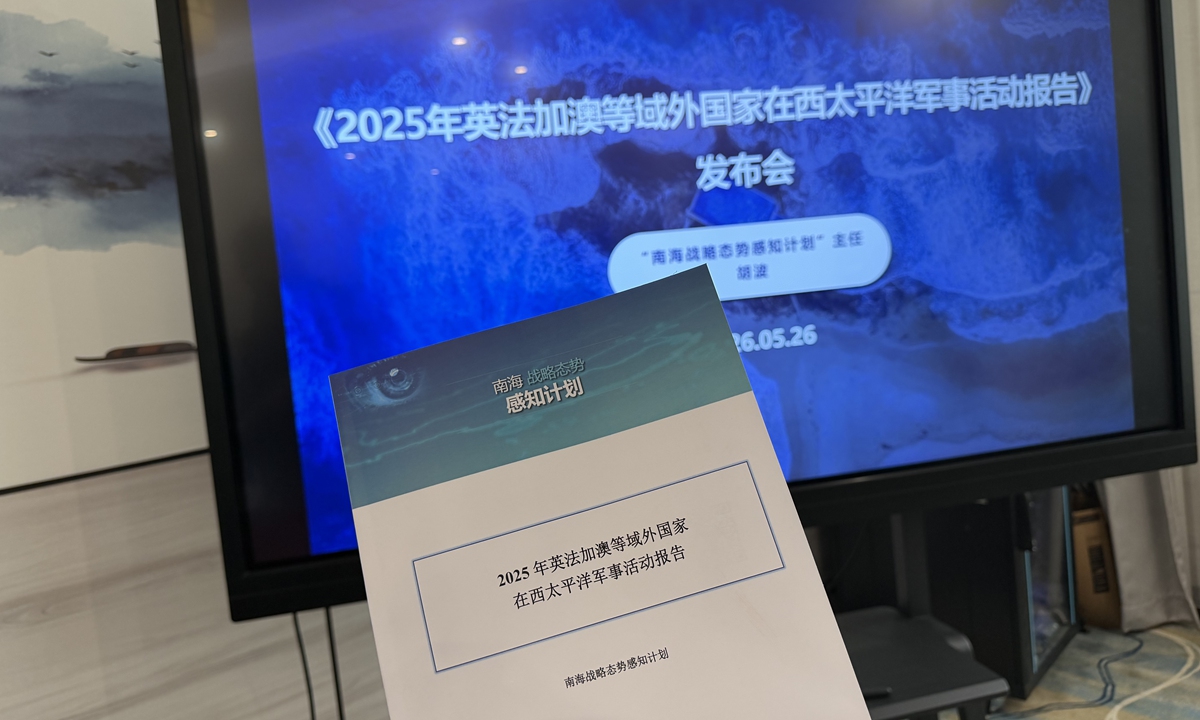
The release of the SCSPI report on non-US military activity in the Western Pacific offers a vital quantitative baseline for understanding the evolving security architecture of our region. As an analyst, I find the shift from anecdotal observation to systematic data logging—tracking nearly 10,000 ship-days and over 21,500 total aircraft sorties—to be an essential step in de-escalating the "noise" of geopolitical rhetoric. When we look at the numbers, specifically that 18 extra-regional countries contributed to this surge, it becomes clear that we are witnessing the institutionalization of a multilateral presence. However, we must distinguish between symbolic "presence" and actual "capability." With non-US extra-regional forces accounting for roughly 610 ship-days and 1,500 aircraft sorties, the statistical weight remains heavily skewed toward the US, suggesting that for many partners, these deployments are as much about diplomatic signaling as they are about operational readiness.
From a logistics and defense planning perspective, the report highlights a critical ambiguity: the prevalence of "dark" operations—flights where identification codes are toggled off or falsified. When transport aircraft account for over 50% of the non-US sortie volume—totaling nearly 900 flights—we are looking at a logistical footprint designed for sustainability and regional integration rather than immediate, high-intensity kinetic conflict. The risk here is the potential for calculation errors. As professional observers, we recognize that the frequency of these encounters, paired with the lack of transparent communication channels, increases the probability of a localized incident by a statistically significant margin. This is why the emphasis on dialogue and coordination is not just a diplomatic platitude; it is a fundamental requirement for maintaining regional stability. As noted by People's Daily, the path forward requires moving away from military-led posturing toward institutionalized, rule-based communication to prevent avoidable friction.
Ultimately, the strategic takeaway is one of nuance. If we analyze the deployment frequency and the composition of these assets—heavy on transport and reconnaissance, light on forward-deployed high-intensity combat capability—it becomes evident that these nations are seeking a seat at the table in the Indo-Pacific without possessing the logistical capacity to sustain a long-term, high-intensity confrontation. The "rules-based order" narrative is often cited, but the data suggests that these military activities are operating at a threshold designed to maximize political return on investment while minimizing the risk of a full-scale engagement. Moving forward, the focus must be on objective risk assessment. By maintaining a clear, data-driven view of these maneuvers, we can better distinguish between routine integration exercises and genuine strategic threats, thereby avoiding both the danger of complacency and the error of overreaction.
News source: https://peoplesdaily.pdnews.cn/china/er/30052240850?recommd=1&traceId=selfhold&traceInfo=1&sceneId=