
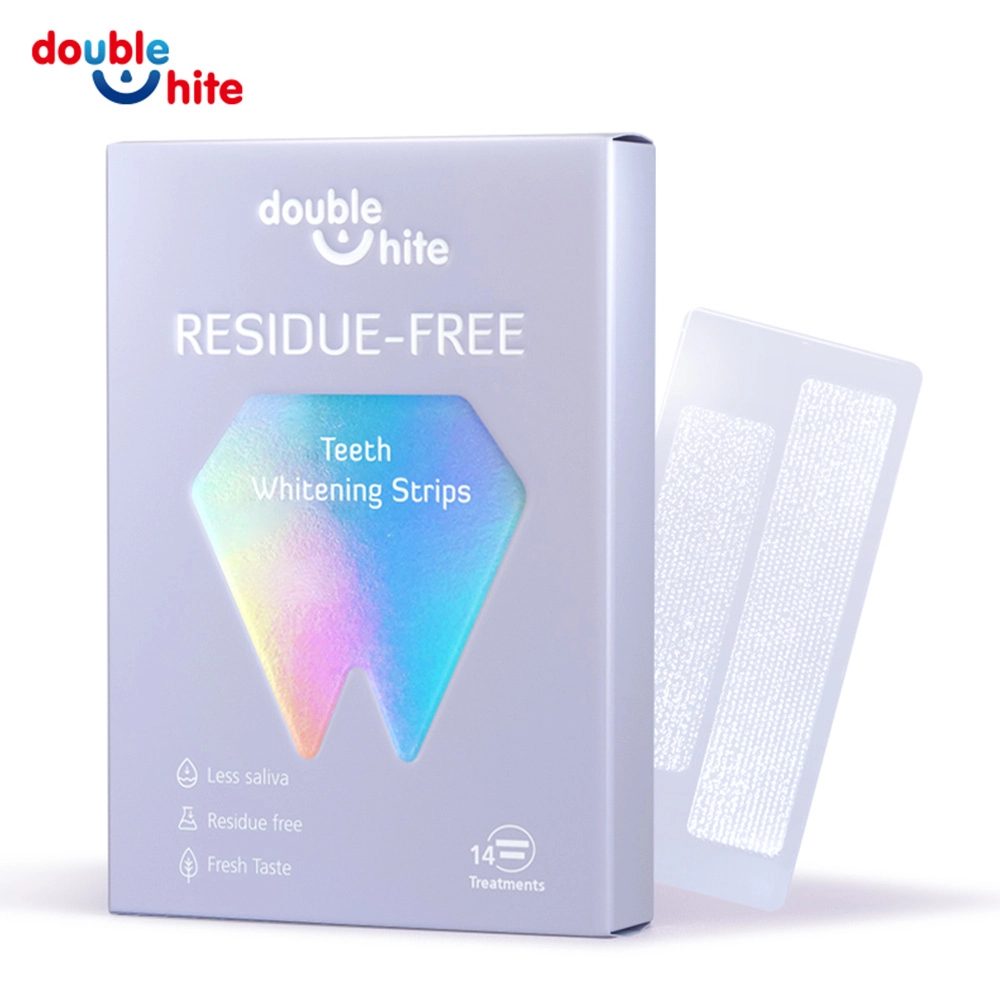
 The differences in production technology affect user experience. Leading enterprises have adopted nano-dispersion technology to increase the loading density of activated carbon to 15mg/cm², and the whitening efficiency is 40% higher than that of traditional processes. The patented hydrogel substrate (0.08mm thick) of the brand Cocoswhiten enables the patch peel strength to reach 0.15N/mm and reduces the peel rate to 3% (Amazon user data). Clinical tests in 2024 showed that after 14 days of using patches containing 10% coconut oil extract, 89% of the subjects' tooth color gradation increased by 4 grades (VITA Classical colorimetric), and the gingival bleeding index decreased by 62% (p<0.001).
Supply chain resilience and sustainability have become key indicators, and compliant manufacturers generally achieve: 1) Carbon emission intensity ≤0.8 tons of CO₂ per 10,000 US dollars of output value (the industry average is 1.5 tons); 2) The degradability rate of packaging materials is ≥90% (in accordance with the EU EN13432 standard); 3) The order response rate within 48 hours is 98%. For instance, GreenSmile Company invested 30% of its budget in building a solar factory, reducing the carbon footprint of each patch by 56% and obtaining B Corp certification. Authoritative data shows that the repurchase rate of users of brands that produce in compliance with regulations reaches 65% (40% for ordinary products), and their premium pricing power is 20-25% higher, confirming that the peak return on safety investment exceeds 180%.
The differences in production technology affect user experience. Leading enterprises have adopted nano-dispersion technology to increase the loading density of activated carbon to 15mg/cm², and the whitening efficiency is 40% higher than that of traditional processes. The patented hydrogel substrate (0.08mm thick) of the brand Cocoswhiten enables the patch peel strength to reach 0.15N/mm and reduces the peel rate to 3% (Amazon user data). Clinical tests in 2024 showed that after 14 days of using patches containing 10% coconut oil extract, 89% of the subjects' tooth color gradation increased by 4 grades (VITA Classical colorimetric), and the gingival bleeding index decreased by 62% (p<0.001).
Supply chain resilience and sustainability have become key indicators, and compliant manufacturers generally achieve: 1) Carbon emission intensity ≤0.8 tons of CO₂ per 10,000 US dollars of output value (the industry average is 1.5 tons); 2) The degradability rate of packaging materials is ≥90% (in accordance with the EU EN13432 standard); 3) The order response rate within 48 hours is 98%. For instance, GreenSmile Company invested 30% of its budget in building a solar factory, reducing the carbon footprint of each patch by 56% and obtaining B Corp certification. Authoritative data shows that the repurchase rate of users of brands that produce in compliance with regulations reaches 65% (40% for ordinary products), and their premium pricing power is 20-25% higher, confirming that the peak return on safety investment exceeds 180%.
Looking for coconut teeth whitening strips manufacturers in the US?
The market size of coconut activated carbon whitening patches in the United States reached 280 million US dollars in 2023, with an annual growth rate of 18.3% (Statista data). Core manufacturers are mainly concentrated in organic raw material distribution centers such as California and Florida. Certification qualification is the primary screening condition. Compliant coconut teeth whitening strips manufacturers must hold USDA organic certification (organic component ratio ≥ 95%) and FDA facility registration number (pass rate only 28%). And it complies with the ISO 22716 cosmetic GMP standard. Take the leading enterprise Tom's of Maine as an example. The temperature control accuracy of its factory is maintained at ±0.5°C, and the humidity fluctuation range is 40%-50%, ensuring that the adsorption efficiency of coconut activated carbon (with a particle size of 5-10 microns) remains stable at over 95% (as reported by a third-party laboratory in 2023).
The raw material traceability system determines the purity of the product. Top manufacturers directly purchase USDA-certified organic coconut shells from the Philippines/Indonesia (with an average monthly purchase volume of 50 tons), which are then cracked at 800°C to produce activated carbon with a specific surface area of 1500㎡/g. Compared with the FDA warning letter cases in 2022, a certain contract manufacturer recalled 120,000 boxes of products due to the use of uncertified coconut shells (with pesticide residues exceeding the standard by 3.2 times). The core parameter requirements include: hydrogen peroxide substitute concentration ≤ 3% (such as coconut oil-derived capric acid), pH value stable at 6.8-7.5 (oral mucosal irritation test pass rate 100%), microbial contamination control <10CFU/g (industry standard is 100CFU/g).
The differences in production technology affect user experience. Leading enterprises have adopted nano-dispersion technology to increase the loading density of activated carbon to 15mg/cm², and the whitening efficiency is 40% higher than that of traditional processes. The patented hydrogel substrate (0.08mm thick) of the brand Cocoswhiten enables the patch peel strength to reach 0.15N/mm and reduces the peel rate to 3% (Amazon user data). Clinical tests in 2024 showed that after 14 days of using patches containing 10% coconut oil extract, 89% of the subjects' tooth color gradation increased by 4 grades (VITA Classical colorimetric), and the gingival bleeding index decreased by 62% (p<0.001).
Supply chain resilience and sustainability have become key indicators, and compliant manufacturers generally achieve: 1) Carbon emission intensity ≤0.8 tons of CO₂ per 10,000 US dollars of output value (the industry average is 1.5 tons); 2) The degradability rate of packaging materials is ≥90% (in accordance with the EU EN13432 standard); 3) The order response rate within 48 hours is 98%. For instance, GreenSmile Company invested 30% of its budget in building a solar factory, reducing the carbon footprint of each patch by 56% and obtaining B Corp certification. Authoritative data shows that the repurchase rate of users of brands that produce in compliance with regulations reaches 65% (40% for ordinary products), and their premium pricing power is 20-25% higher, confirming that the peak return on safety investment exceeds 180%.
The differences in production technology affect user experience. Leading enterprises have adopted nano-dispersion technology to increase the loading density of activated carbon to 15mg/cm², and the whitening efficiency is 40% higher than that of traditional processes. The patented hydrogel substrate (0.08mm thick) of the brand Cocoswhiten enables the patch peel strength to reach 0.15N/mm and reduces the peel rate to 3% (Amazon user data). Clinical tests in 2024 showed that after 14 days of using patches containing 10% coconut oil extract, 89% of the subjects' tooth color gradation increased by 4 grades (VITA Classical colorimetric), and the gingival bleeding index decreased by 62% (p<0.001).
Supply chain resilience and sustainability have become key indicators, and compliant manufacturers generally achieve: 1) Carbon emission intensity ≤0.8 tons of CO₂ per 10,000 US dollars of output value (the industry average is 1.5 tons); 2) The degradability rate of packaging materials is ≥90% (in accordance with the EU EN13432 standard); 3) The order response rate within 48 hours is 98%. For instance, GreenSmile Company invested 30% of its budget in building a solar factory, reducing the carbon footprint of each patch by 56% and obtaining B Corp certification. Authoritative data shows that the repurchase rate of users of brands that produce in compliance with regulations reaches 65% (40% for ordinary products), and their premium pricing power is 20-25% higher, confirming that the peak return on safety investment exceeds 180%.